

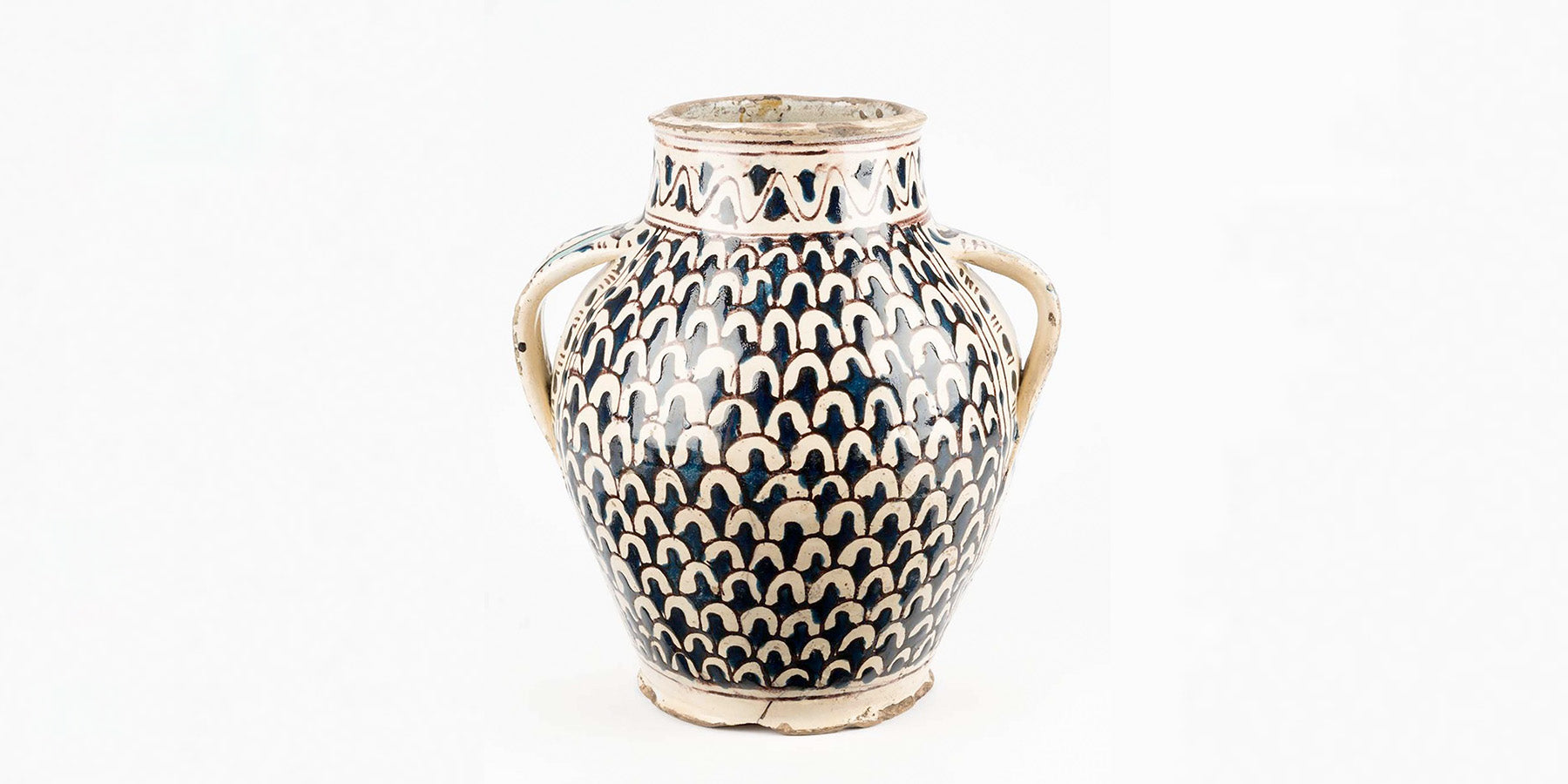
Before European porcelains from Meissen and Vienna began their triumphant march across Europe in the early 18th century, a luxury ceramic developed in Italy had shaped the refined table culture: Majolica. The MAK is presenting its exquisite collection of 220 richly painted stoneware exhibits in the context of their history for the first time in an exhibition from April 6 to August 7, 2022.
The term "Majolica" goes back to the old Italian name for the island of "Mallorca." Presumably, the Moorish-influenced earthenware that served as a model for Italian Majolica originated there. Majolicas are characterized by an opaque white tin glaze, which becomes the carrier of the subsequent, often vividly colored painting. In Northern Europe, they correspond to Delftware and faience. The techniques for producing Majolica in 16th-century Italy are known from the treatise The Three Books of the Potter's Art [Li tre libri dell’arte del vasaio] written by Cipriano Piccolpasso in 1557 in Castel Durante, which is now in the possession of the Victoria & Albert Museum in London.
From the early 16th century, Majolica tableware became a luxury export good of Italy and spread to the courts of Northern Europe. Leading artists such as Raphael provided designs for the decoration of the ceramics. These pieces later appear, for example, in the frescoes of Giulio Romano in the Palazzo del Té in Mantua as adornments of a display buffet. So-called "Istoriato Majolicas" illustrate ancient myths and stories of gods in multi-figure scenes. They became Italian table conversations for the humanistically educated nobility. From the second half of the 19th century, an international collectors' market for historic Majolicas developed, which later served as model objects in the newly founded museums of art and industry. The 19th-century ceramic industry across Europe drew on these models.
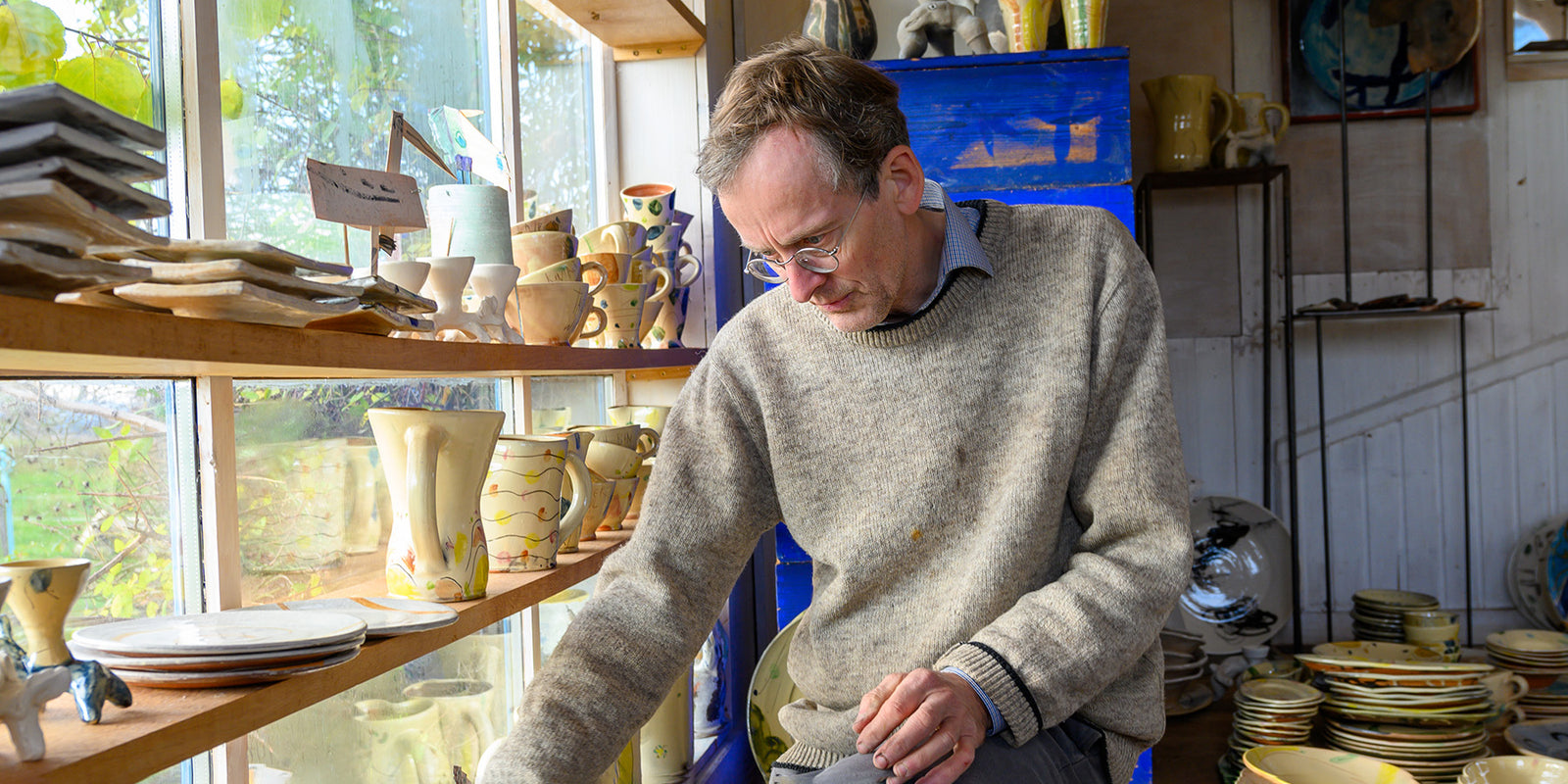
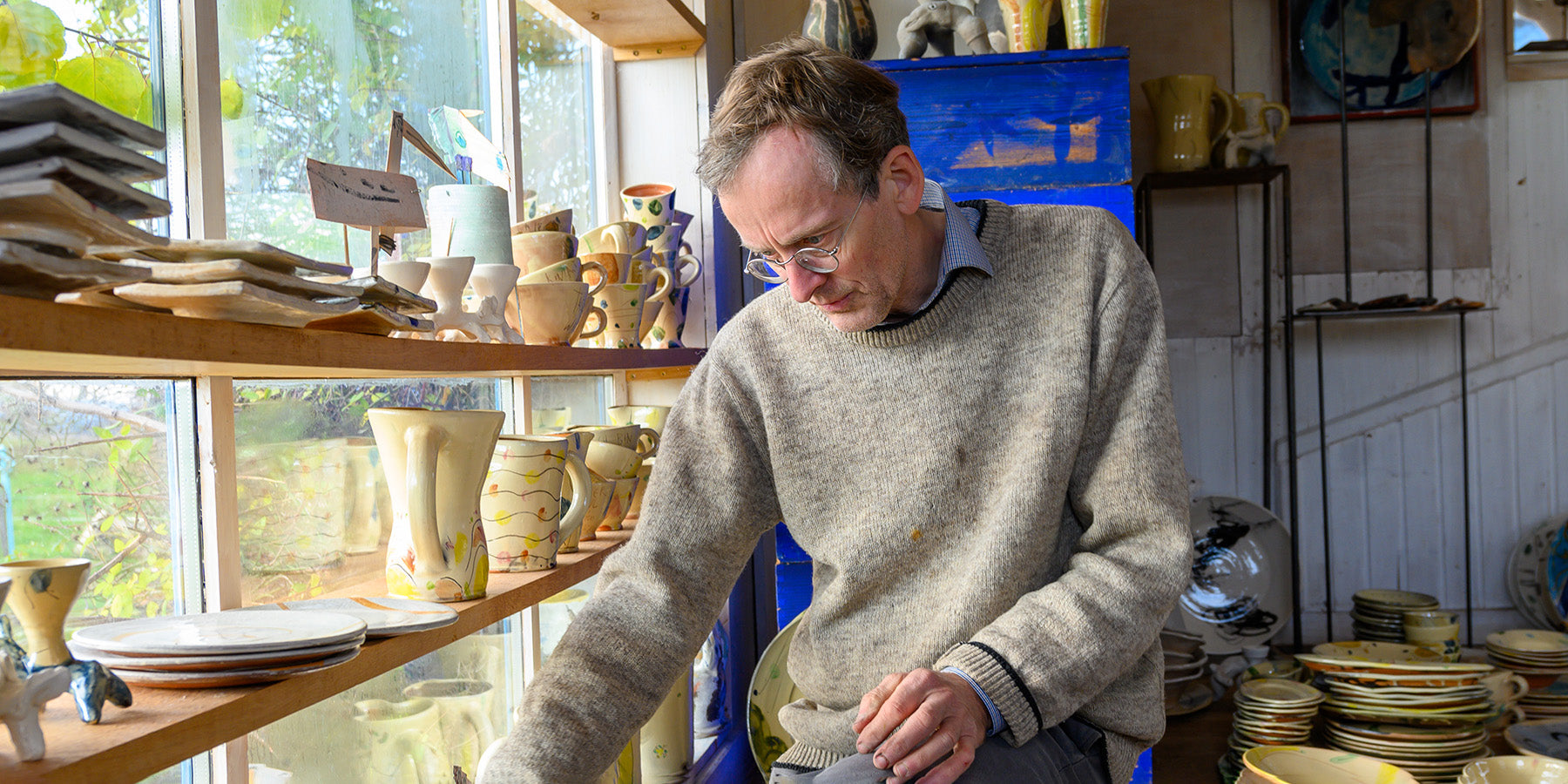
With the exhibition TIN GLAZE AND IMAGE CULTURE. The MAK Majolica Collection in the Context of Its History, the exclusive collection of Majolicas from the 15th to 18th centuries preserved at the MAK is opened to the public for the first time. Outstanding pieces from the MAK collection are contrasted in the exhibition with loans from important Viennese and Central European collections. Enriched by exhibits from the contemporary Majolica artist Marino Moretti, the show offers a comprehensive insight into the development of Majolica art.
The previously little-noticed, high-quality Majolica collection of the MAK includes objects from the imperial collection of the Kunstkammer of Ferdinand of Tyrol in Ambras and from the estate of Franz Ferdinand of Austria-Este, as well as Majolicas from Neukloster Abbey in Wiener Neustadt. "If one is interested in understanding and enjoying the full range of art and culture of the Renaissance in Italy, one must look at Majolica, the most lively, intimate, and richly informative art form of the Renaissance," outlines guest curator Timothy Wilson, Professor Emeritus at Balliol College Oxford and former Keeper of Western Art at the Ashmolean Museum Oxford, the significance of Majolicas. The world's leading expert on Italian Majolica curates the exhibition together with Rainald Franz, curator of the MAK Glass and Ceramics Collection.
More information about the exhibition: www.mak.at
Image: Majolica plate, Deucalion and Pyrrha, Francesco Xanto Avelli, Urbino, © MAK